

Two Outdoor Stains I Highly Recommend


If you own an old house, you already know—nothing about exterior maintenance is ever as simple as it should be. So to help ease that never-ending to-do list, I have two exterior stain recommendations that will actually make a difference.
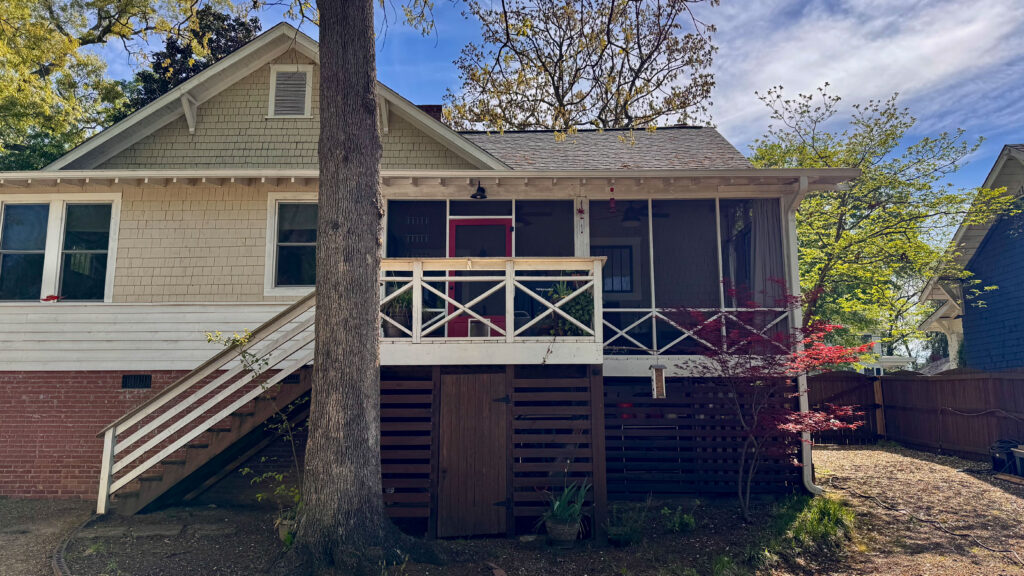
This time of year, you’ll find me outside working on projects, tackling the yard, and spending as much time as possible in the garden. And over the years, I’ve found myself coming back to the same two stains again and again.
I’ve used both across multiple projects, through every season here in the South—including long, hot summers—and they’ve consistently held up in both performance and appearance.
Cabot Gold in Moonlit Mahogany
If you’re trying to elevate an outdoor space—especially around an older home—this is always my first recommendation.
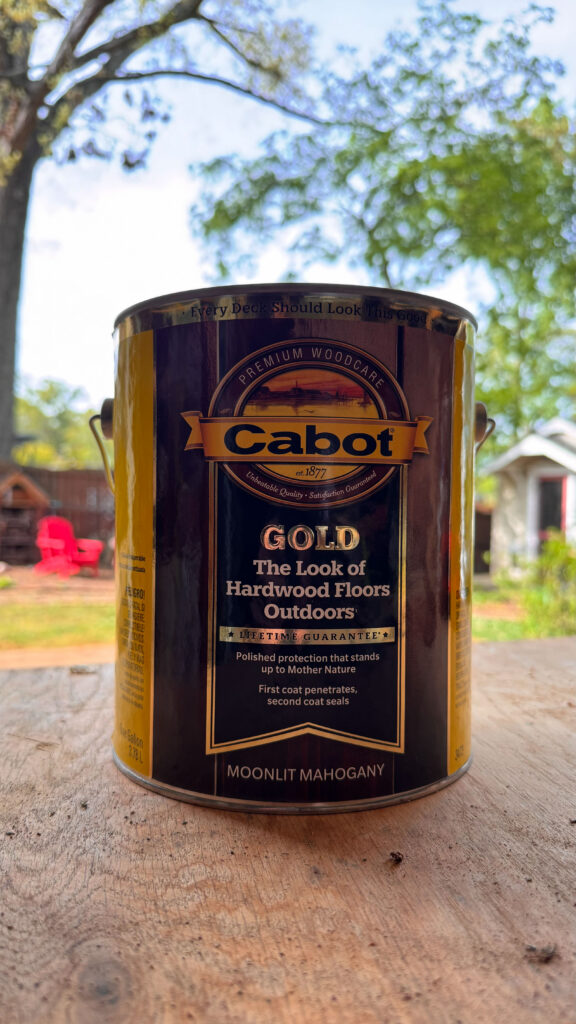
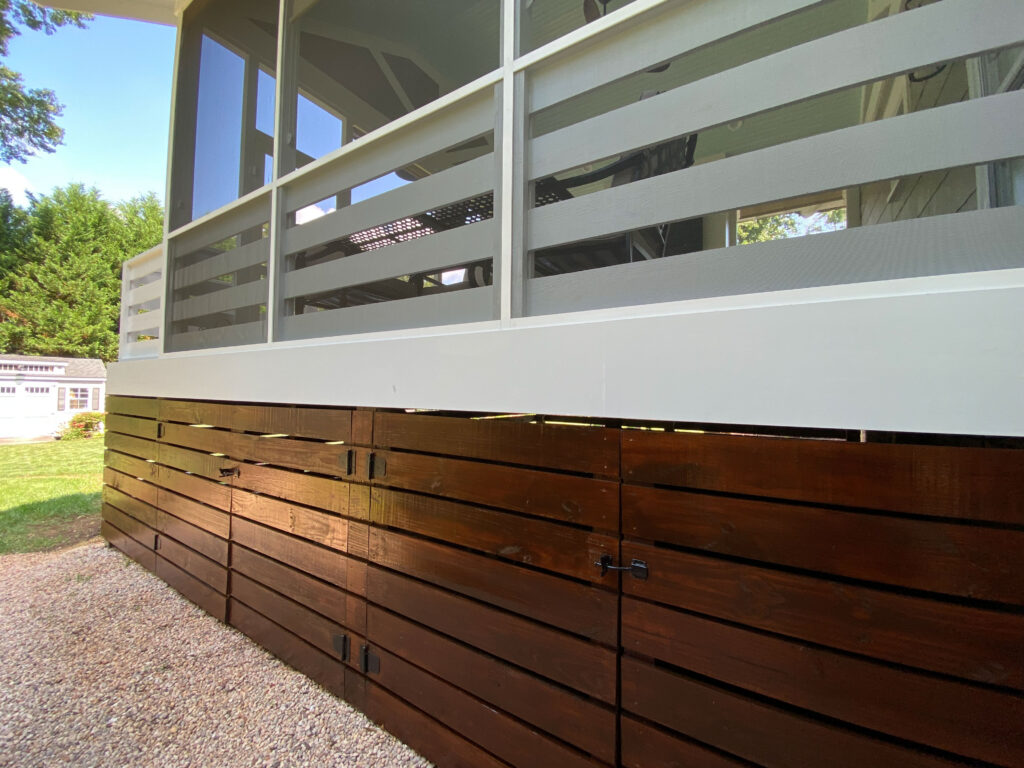
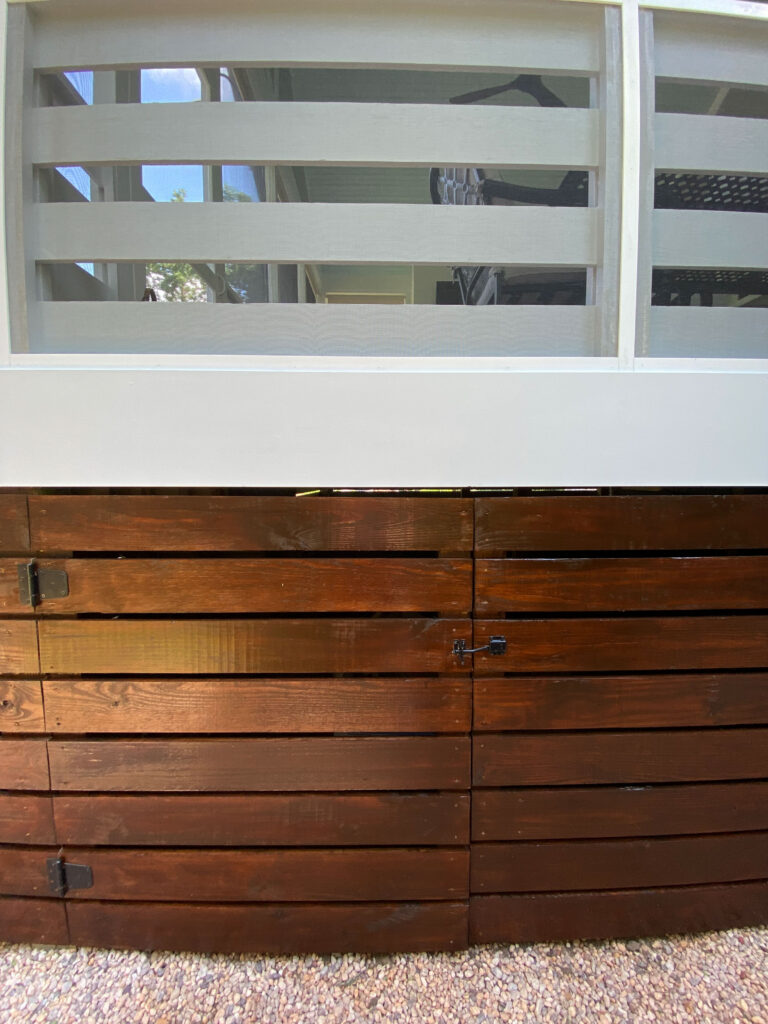
Cabot Gold in Moonlit Mahogany has a richness to it that you don’t typically see in exterior products. It’s a deep, warm brown that almost reads like an interior stain, which makes it a great choice when you want your exterior spaces to feel just as intentional as the inside of your home.
But it’s not just about the color.
This stain goes on evenly, absorbs well, and holds up beautifully against sun exposure and seasonal changes. I’ve used it in multiple areas of my own home, including:
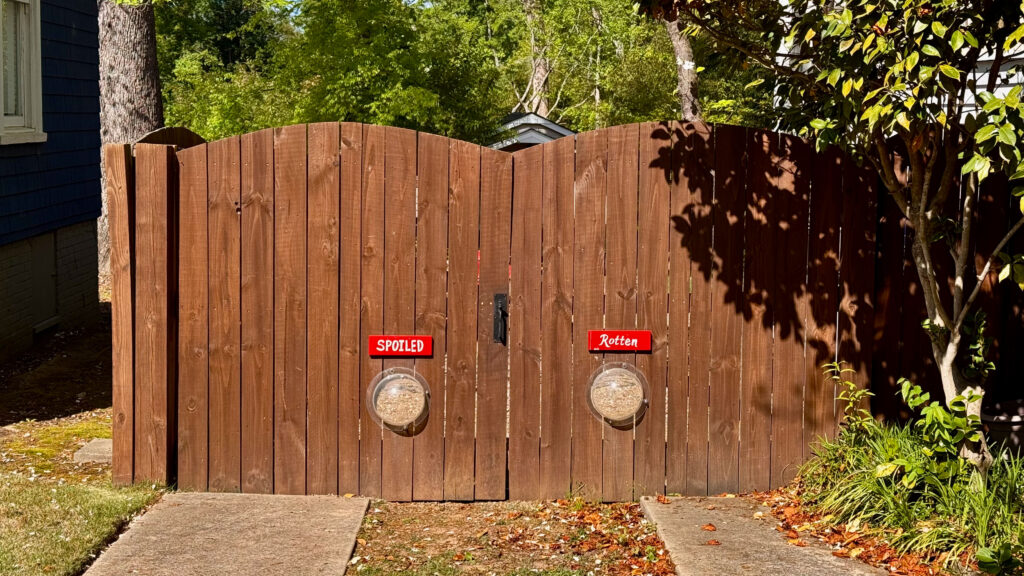
- Privacy fence
- Deck floors
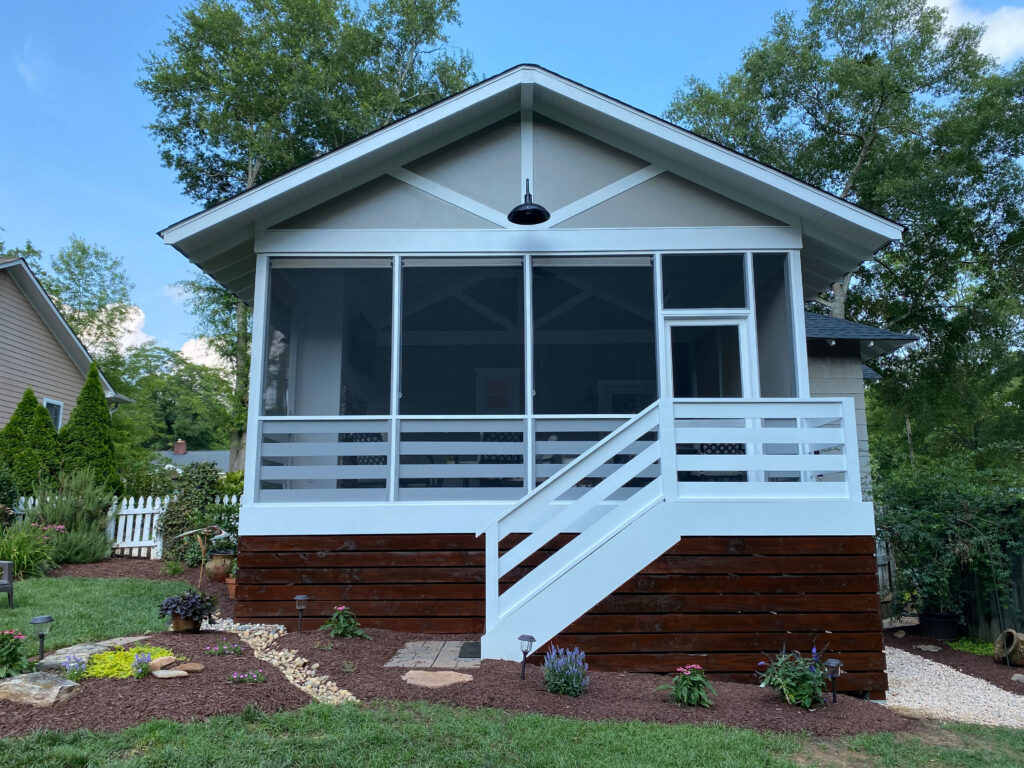
- Deck underpinning
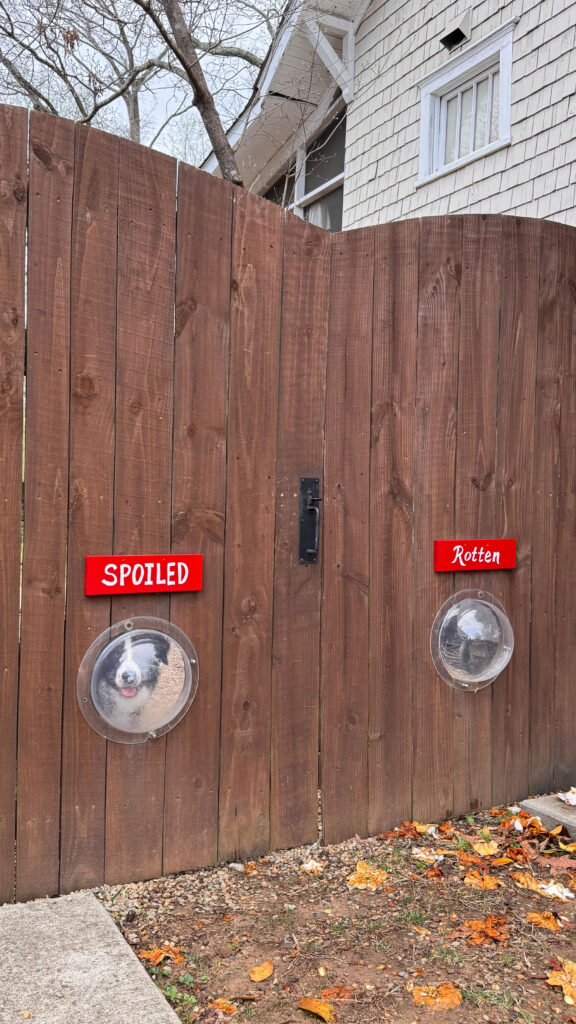
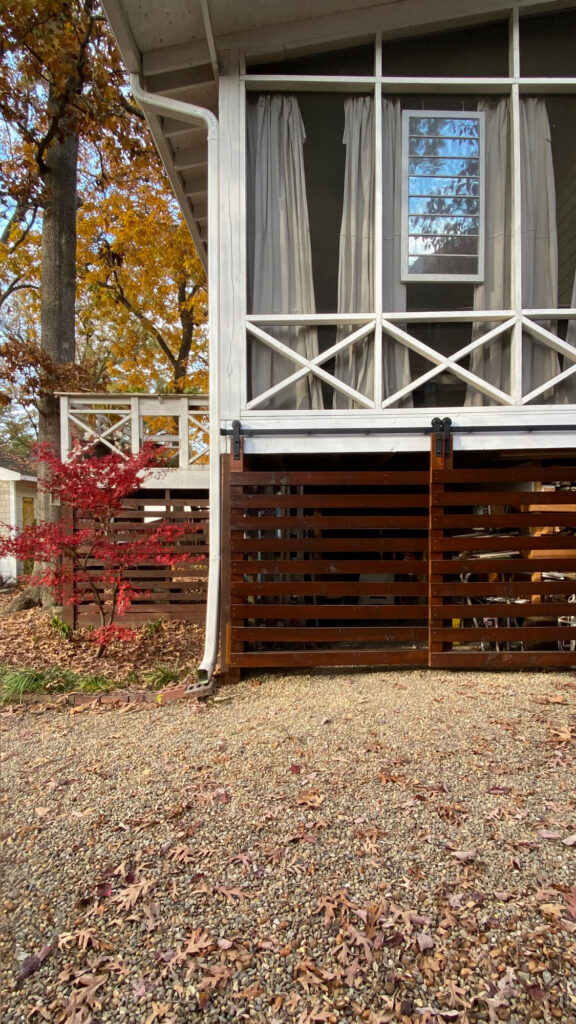
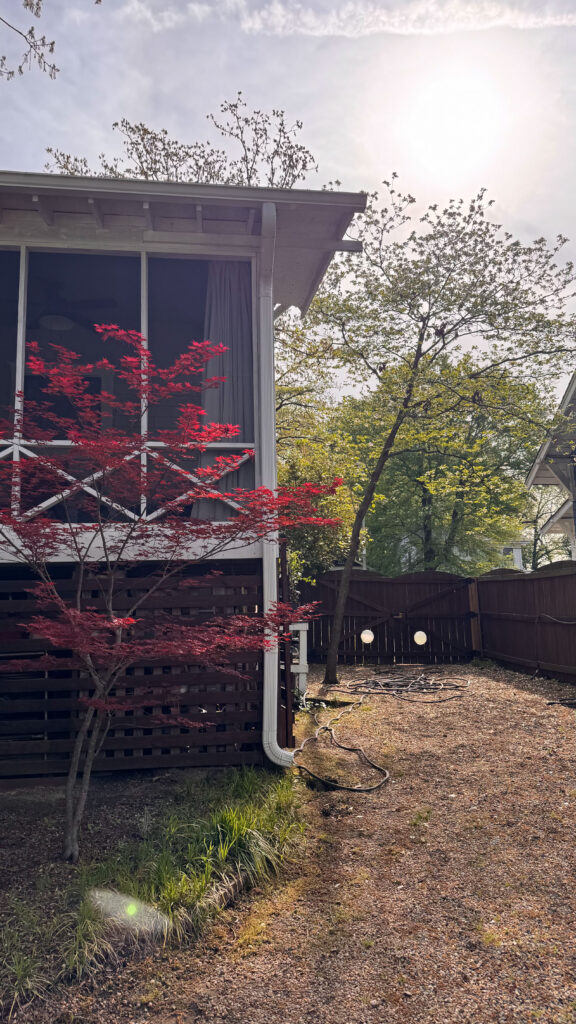
And it’s one of those products I never hesitate to use again—including on client projects—because I already trust how it performs.
Solid Color Stain (Instead of Paint)
This is one of those small shifts that makes a big difference—especially on older homes.
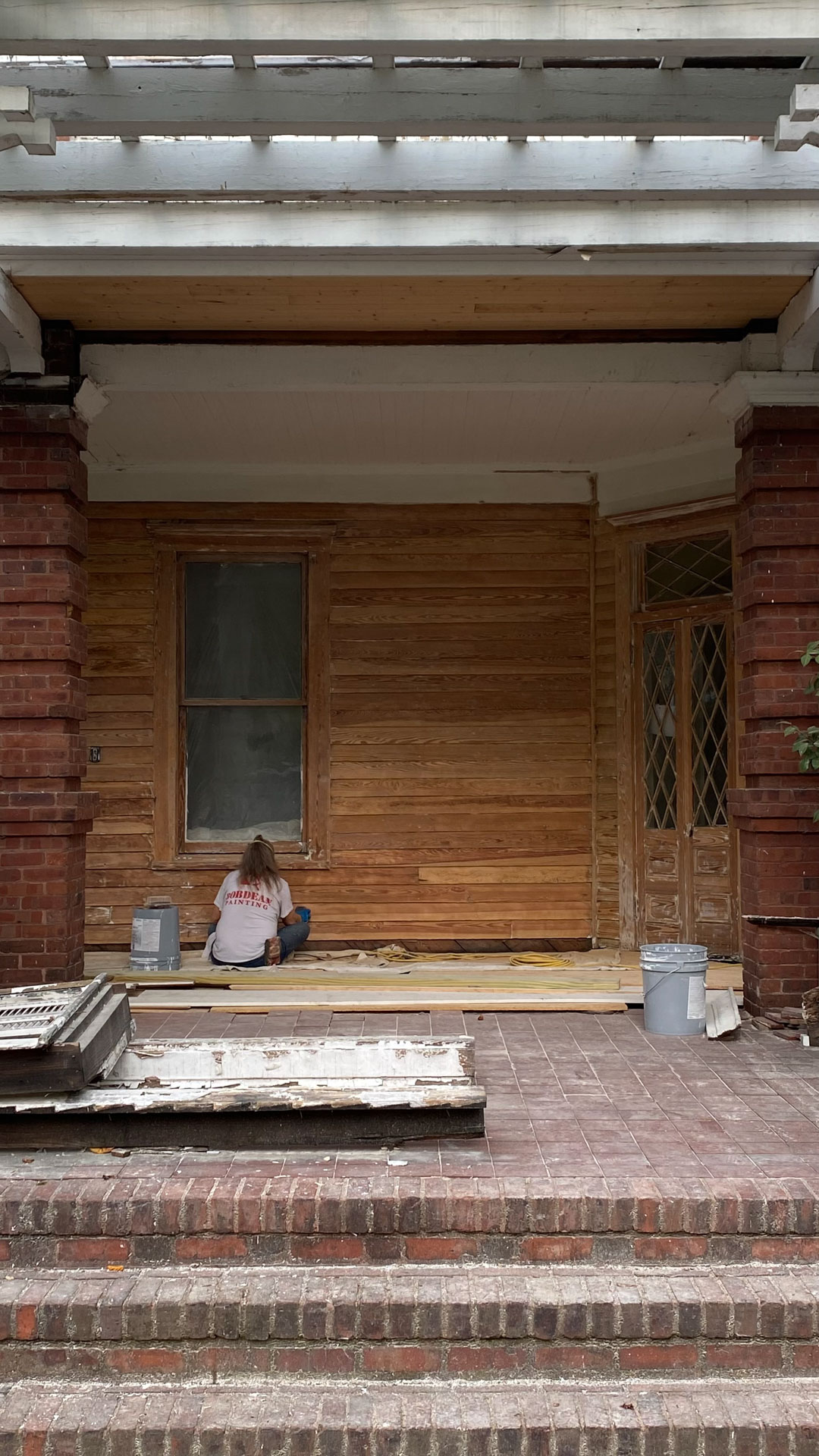
Years ago, a painter recommended that I use a solid color stain instead of flat paint for unpainted exterior surfaces, and I’ve never looked back.
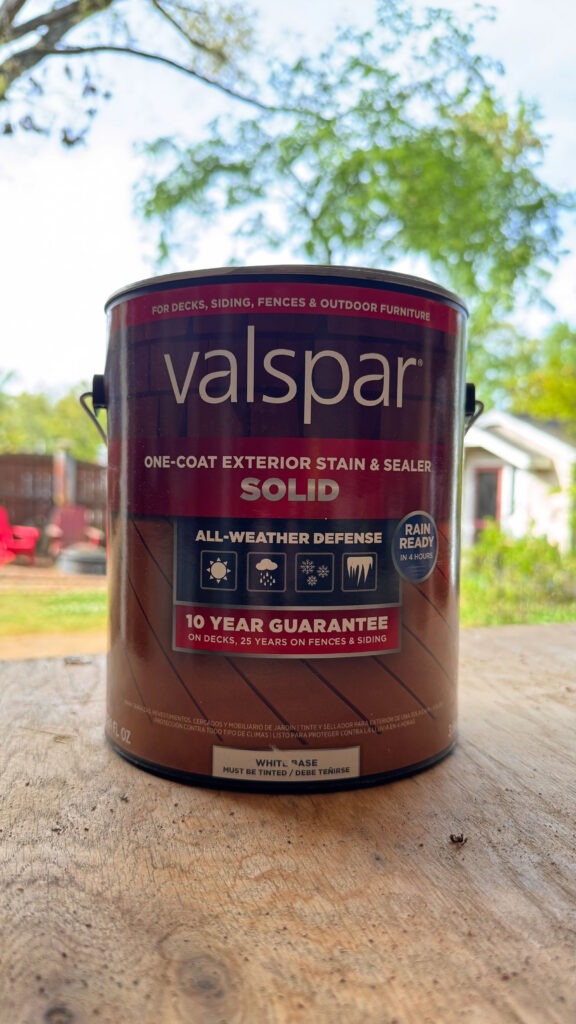
The key difference is how it interacts with the wood. Paint sits on the surface, which can lead to peeling and chipping over time—especially on older or pressure-treated wood. A solid color stain, on the other hand, penetrates into the material, giving you longer-lasting coverage and a more forgiving finish.
It’s also incredibly versatile. You can tint it to almost any color, which means you’re not sacrificing design for durability. Valspar Exterior Solid Stain is a great choice I’ve used recently.
I’ve used solid color stain on:
- Cedar shake siding
- My white picket fence around the potager garden
- Porch and deck railings
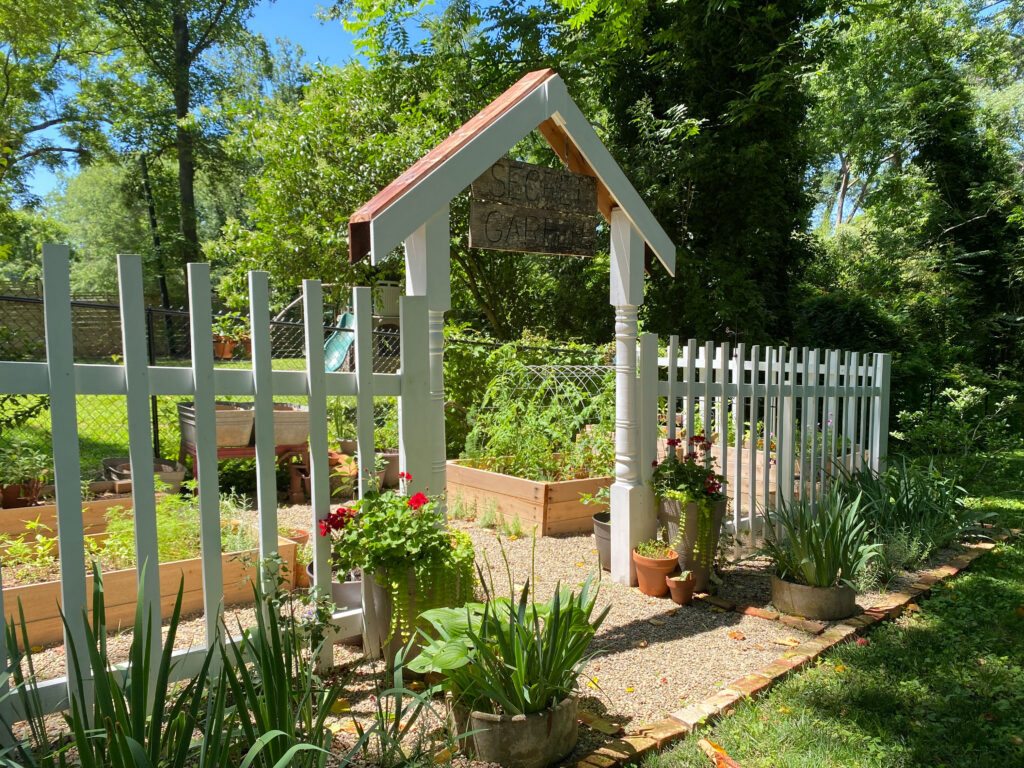
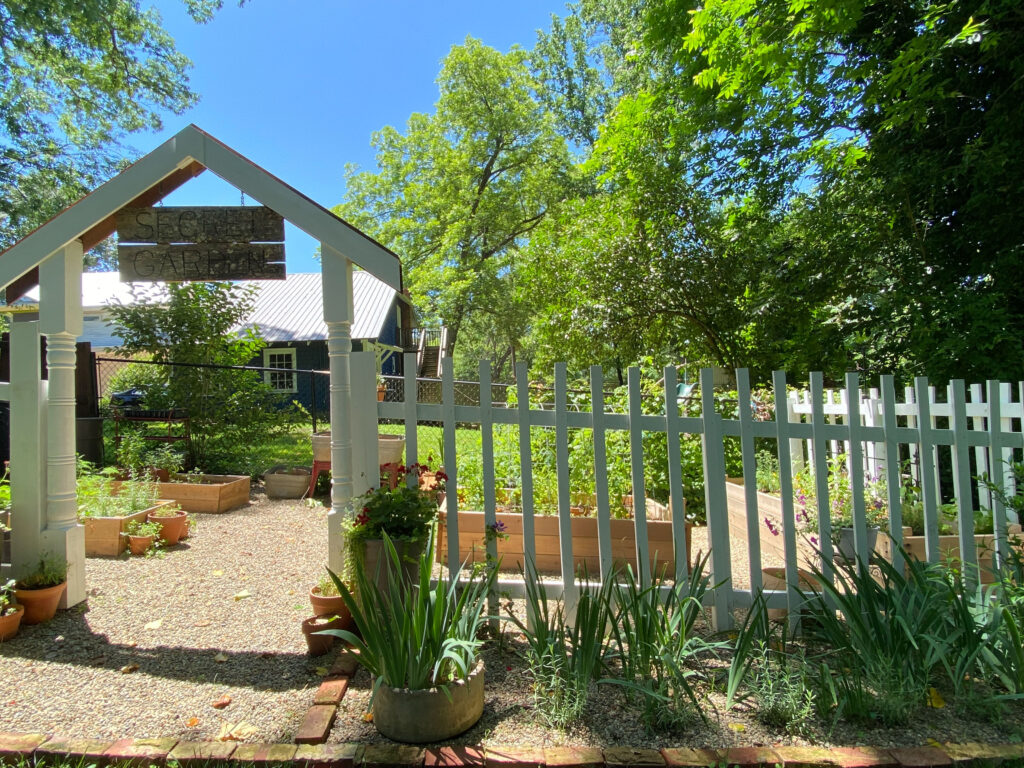
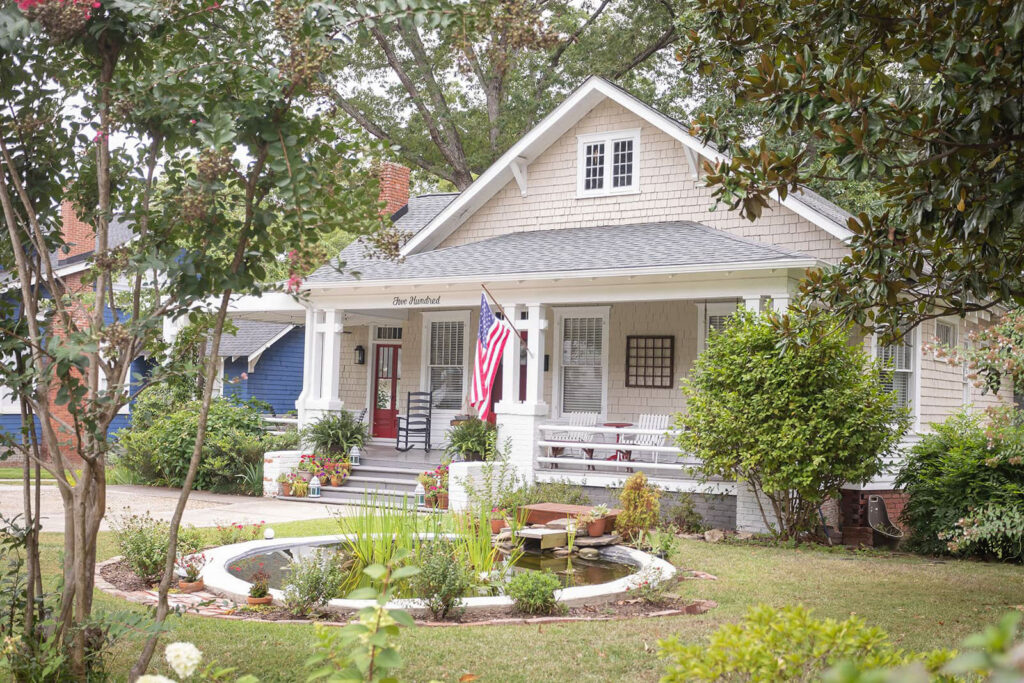
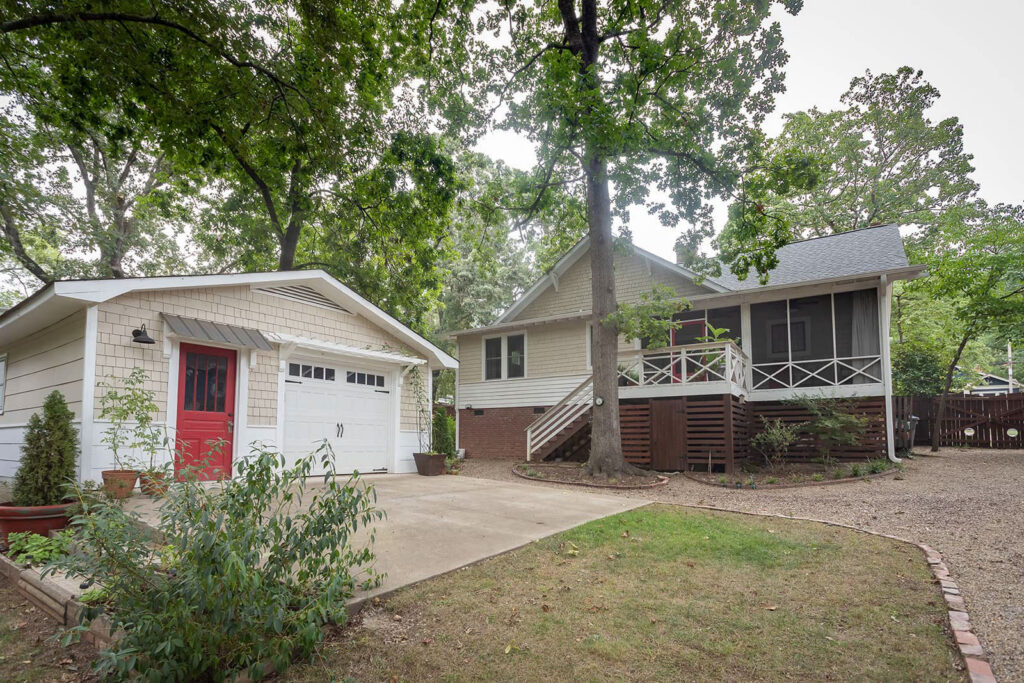
It gives me the look I want, while performing in a way that’s much better suited for exterior conditions—especially in a climate with heat, humidity, and seasonal swings.
A Note on Longevity (and Real-Life Conditions)
Living in the South means these products don’t get an easy pass.
Between high heat, humidity, rain, and full sun exposure, exterior finishes are constantly being tested. Both of these stains have held up well through all of it, which is a big part of why I continue to recommend them.
Are they completely maintenance-free? No. Nothing is.
But they age in a way that’s manageable—and that matters just as much as how they look on day one.
Pro Tip: Prep Matters More Than the Product
If you take one thing from this post, let it be this—prep matters more than the product you choose.
You can buy the best stain on the market, but if it’s applied to dirty, damp, or poorly prepped wood, it’s not going to perform the way it should.
At a minimum:
- Make sure the surface is clean and fully dry
- Don’t rush the process (especially after washing or rain)
- Avoid applying in direct, harsh sun when possible
It’s not the exciting part of the project, but it’s what makes the biggest difference in how everything looks and holds up over time.
Where to Find Them
Both of these are easy to source, which makes them even more practical for ongoing projects. You can find them at Lowe’s Home Improvement.
And just to be clear—this isn’t sponsored. These are simply products I’ve used for years and continue to trust on my own home.
Final Thoughts
When it comes to old houses, the goal isn’t just to make something look good—it’s to make choices that last.
The right stain won’t just improve the appearance of your outdoor spaces—it will also reduce maintenance, extend the life of your materials, and save you from redoing the same project sooner than you’d like.
These are two products I come back to again and again because they strike that balance—beautiful, durable, and reliable in real-life conditions.
Want Help Planning Your Projects?
If you’re tackling exterior updates—or a full renovation—and want to make smarter decisions from the start, I break down the entire process inside The Old House Renovation Guide.
It walks you through what to expect, how to plan, and how to avoid the common (and costly) mistakes that come with renovating an older home.




+ Show / Hide Comments
Share to: